Key takeaways
- OSHA 1910.252 is the general welding, cutting and brazing rule.
- OSHA 1910.1026 covers hexavalent chromium, which can be in stainless welding fume.
- Ventilation, fire prevention and protective gear are the shop's job.
- Your job is to tell the shop what the part is and what metal it is.
If you ask about a stainless welding job, you may hear a shop mention ventilation or fume control. Those words come from real federal rules. Here is what they cover in plain terms.
The general welding rule: 1910.252
The first rule is the general one. OSHA 29 CFR 1910.252 covers welding, cutting and brazing in general industry. Its subjects include fire prevention, protection of the welder and others nearby, and ventilation. It applies to every metal, so steel and aluminum jobs fall under it too.
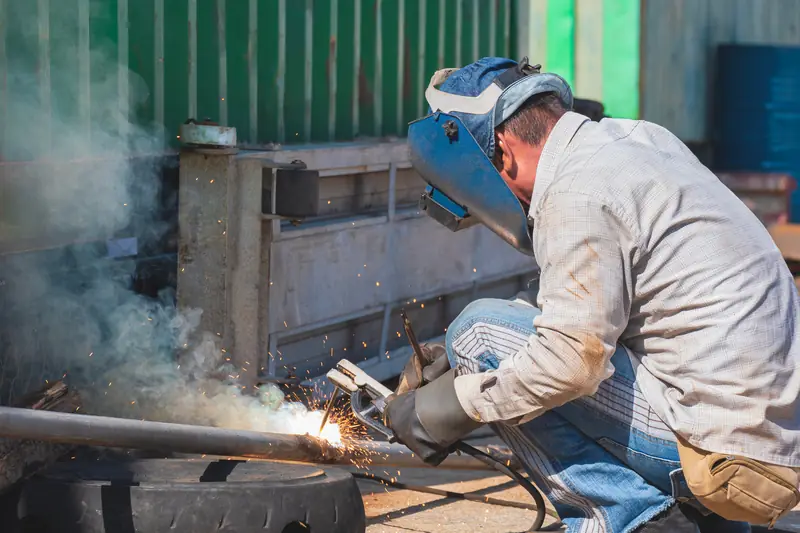
In practice it shapes how a welding area is set up, and it is written in the plain language of a safety rule. Hot work needs a check for anything that can burn nearby, a fire watch where hot slag can travel, and containers or tanks that held flammable material are never welded until they are made safe. The same rule covers the setup of the area: clear of combustibles, with screens or distance for bystanders, with protective gear for the welder and with fresh air or exhaust where fume collects.
Why stainless gets its own rule: 1910.1026
Stainless steel contains chromium, and welding it can create fume with hexavalent chromium, a form that is harmful to breathe over time. OSHA 29 CFR 1910.1026 sets limits on exposure and calls for measures such as exhaust ventilation, respiratory protection when needed, and medical surveillance where the exposure is high enough.
This is the reason stainless welding is often done with fume extraction close to the arc, and why a stainless job is planned a little differently from a mild steel one. The corrosion side of the same job is explained on the stainless steel welding page.
What this means for you as a buyer
Nothing needs to change on your end. These rules are the shop's responsibility, and they exist so that a welder is not harmed by the work. What helps is giving the shop clear information: the metal, the grade if it is stamped, what the part does and photos of the job.
If you work in a plant that has its own rules for contractors, tell us at the quote stage so we can plan around them. A food plant, for example, may have its own rules about what can be brought in and how a repaired part is cleaned, and it is easier to plan for those at the start than at delivery.
Welding fume is also the reason you see exhaust arms and hoods in a welding area, and why a shop may prefer to do a stainless repair in a controlled space instead of out in the open. None of this changes what you are asked to send.
Next step
For a stainless repair or fabrication job, use the quote request and attach photos or a drawing, or call (775) 359-5570 Monday to Friday between 7:00 am and 3:30 pm. The general page on welding lists the kinds of jobs we take, and the page on machining stainless steel covers cutting it.