Aluminum is common in brackets, housings, tanks and frames, and when one cracks the first question is whether it can be welded. Usually it can, and the details of the part decide how.
What helps us answer quickly
Three things tell us most of what we need: whether the part is cast or machined from bar or plate, what alloy it is if you know, and where and how it broke. Cast aluminum and wrought aluminum behave differently, and some alloys are harder to weld than others.
Photos of the crack or break from two sides, with a ruler in the shot, are better than a long description.
- Cast or wrought, and the alloy if it is stamped or known
- Photos of the damage from two sides
- What the part does and what machine it came from
- A drawing or sketch if you need a new welded part instead of a repair
Why aluminum needs extra care
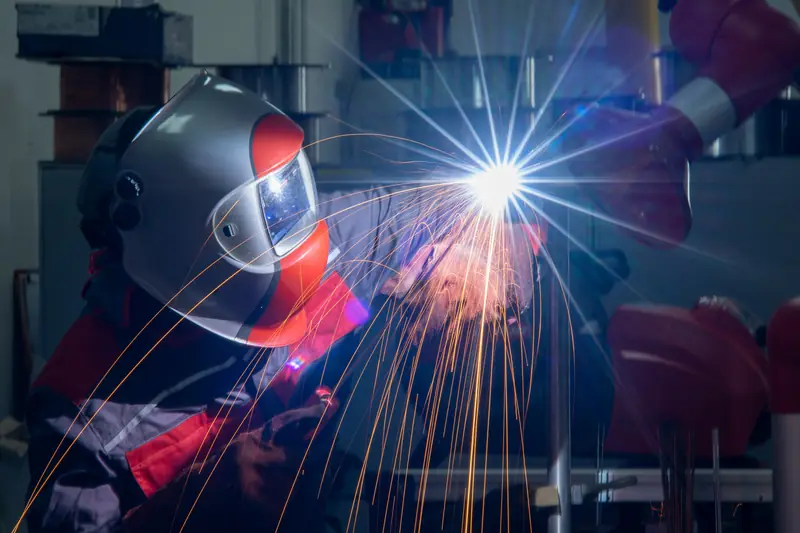
The surface oxide has to be removed from the joint, and aluminum draws heat away quickly, so thin parts can distort or burn through. The full process is on the aluminum welding page.
If you want to know how aluminum machines after welding, the aluminum material page covers grades and cutting.
Next step
Send the quote request with your photos, or call (775) 359-5570 Monday to Friday between 7:00 am and 3:30 pm. We will give you a prompt estimate once we have seen the part.
Sources
- The Aluminum Association (2026-10-18)
- Wolf Machine & Fabrication services list (2026-10-18)