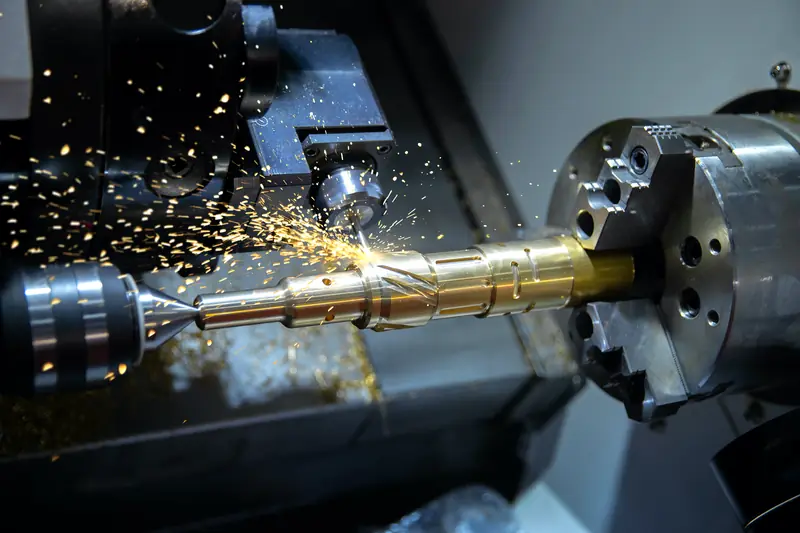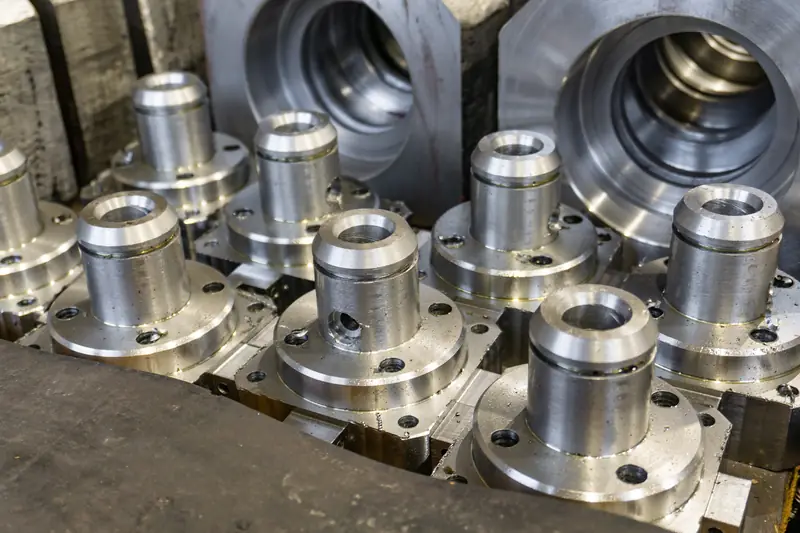
Two parts that look alike can cost very differently. The difference is rarely in the size. It is in what the machinist has to do to get the part right. Here are the drivers, in plain words, and what you can do about each.
The main cost drivers
Each driver adds time at the machine or time spent checking the result. Looking at the print for these items before you send it is the quickest way to understand the estimate.
- Material: hard or tough metals cut slowly, and some stock is costly to buy
- Setups: every time the part is flipped and re-clamped, time and risk are added
- Tolerances and finishes: tighter than the part needs takes more passes and more checking
- Small or deep features: tiny cutters run slowly and break
- Inspection: more measured features means more time at the gauge
- Quantity: setup is shared across the batch, so one part carries all of it
How to bring the cost down
Put tight tolerances only on features that need them, and use a general tolerance for the rest. Allow standard corner radii instead of sharp inside corners. Choose a material that machines well if the job allows. Keep features on as few faces as the design permits.
Ask the shop. A conversation about the part before the print is final often finds a change that costs nothing in function. The drawing checklist and the entry on tolerance help you decide where precision belongs.
Getting an estimate
Wolf Machine gives a prompt estimate once it has seen the part or the print, and free consultations are available. Send a drawing, sample or photos through the quote request or call (775) 359-5570, Monday to Friday, 7:00 am to 3:30 pm. For one part versus a batch, see production runs.
Sources
- ASME Y14.5-2018, Dimensioning and Tolerancing (2026-10-18)
- Protolabs help center: quoting and files (2026-10-18)