4812 Longley Ln, Reno, NV 89502Mon-Fri 7:00 am - 3:30 pmMon-Fri 7:00 am - 3:30 pm(775) 359-5570
Wolf Machine & Fabrication, Inc.
  • Sending a job to the shop
  • 5 min read
  • Updated October 2026

What to put on a drawing before you ask for a quote

A drawing a machinist can quote from shows the material and condition, every size with a tolerance or a general tolerance block, the threads, any surface finish that matters, the quantity and the revision. When there is no drawing, photos, measurements and the part itself do the same job.

Have a drawing, a sample or a broken part? Call (775) 359-5570 or request a quote and attach your drawing or photos.

  • Built from your specifications, drawings or samples
  • Free consultations, prompt estimates
  • Wolf Machine stands behind the work we perform
  • Reno shop, Monday to Friday, 7:00 am to 3:30 pm

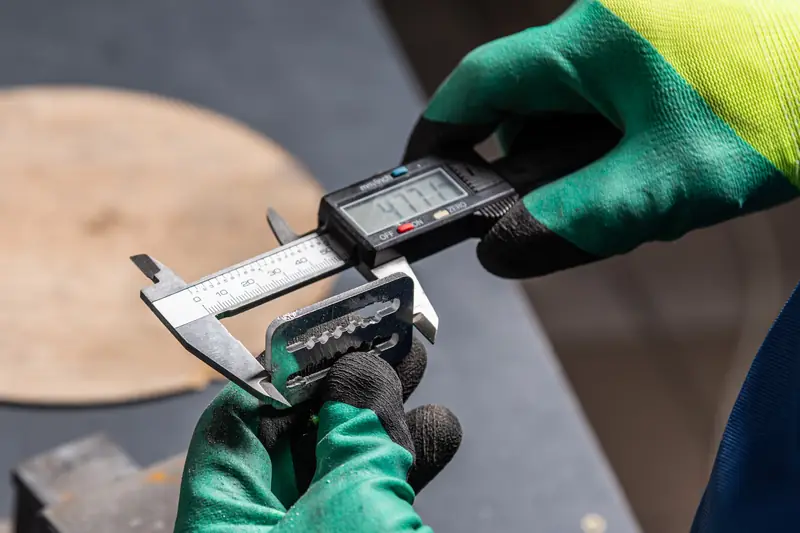
Stock photo: gloved hands measuring a part with a digital caliper

Key takeaways

  • Name the material and its condition on the drawing
  • Give every size a tolerance, or add a general tolerance block
  • Call out threads by their standard, not just a diameter
  • State the quantity and the revision letter
  • No print? Send the part, photos with a scale and the sizes you have

A shop can only price and make what it can see. The clearer the print, the closer the estimate is to the part you expect. This guide goes through the items a machinist looks for, in the order they usually matter, and what to send when you do not have a print at all.

What does a machinist read first?

Most machinists look for three things before anything else: what the part is made of, how big it is, and how many are wanted. These three decide how the work is set up and what material is ordered. A drawing that leaves one out starts the conversation with a question.

After that, the eye goes to the tight features: bearing seats, sealing faces, hole patterns that must line up with something. Mark those clearly, because they take most of the shop's attention.

The checklist

Use this as a last check before you send a print. Each row is something the shop would otherwise have to ask about.

The checklist
ItemWhat to includeWhy it matters
MaterialType, grade and condition, such as annealed or as suppliedDecides cutters, setup and the stock that is ordered
SizesEvery dimension, with units statedA missing size becomes a phone call
TolerancesA tolerance on each critical size, plus a general block for the restTells the shop which features matter most
DatumsThe surfaces other features are measured fromKeeps related features in the right relation
ThreadsStandard, size, pitch and class, and depthA diameter alone does not define a thread
Surface finishOnly where it matters, such as sealing and bearing surfacesFinish drives extra operations
QuantityHow many now, and how many over the yearChanges how the job is set up
RevisionA revision letter or date on the printKeeps quote and part on the same version
NotesEdge breaks, coatings, markings and anything unusualPrevents surprises at the end

Tolerances: tight where it matters, general elsewhere

A tolerance is the amount a size may vary from the number on the print. Tight tolerances take more time and more checking, so put them on the features that need them and use a general block for the rest. Anyone reading the print can then see which surfaces do the work.

When fits and positions are specified, many prints follow the dimensioning standard ASME Y14.5. The glossary entries on tolerance and GD&T explain the terms. If you are not sure how tight a feature must be, say what it does and let the shop suggest a sensible figure.

Material, quantity and revision

Write the material as precisely as you know it, because grades differ in how they cut and in what they cost. If you want a particular condition, say so. If you are open to a substitute, say that too.

State the quantity in two parts: the first order and what you expect over a year. A part that will be reordered is worth a proper setup, and the shop can plan for that. Add the revision so the print in your file and the print in the shop are the same.

No print? Send these instead

The shop works from specifications, drawings or samples, so a missing drawing is not a dead end. The most useful substitute is the part itself, or a worn or broken original. The next choice is photos from several sides with a ruler in the frame, the sizes you can measure, and the machine it fits.

For help, read how to photograph and measure a broken part and what to do without a drawing. Then send the files through the quote request, or call (775) 359-5570, Monday to Friday, 7:00 am to 3:30 pm.

Sources

Shop guides

More guides

Machining 5 min read

Signs a machine needs align boring

A machine probably needs align boring when pins bind, bushings wear out far faster than they should, bores have gone oval, or a pin that used to slide through now will not. These are signs that bores

Repair and rebuild 5 min read

Repair or replace: deciding what to do with a worn part

Repair when the part is sound, the wear is in one place and the original size can be put back. Replace when the damage runs through the part, when a crack cannot be removed, or when the failure will s

Repair and rebuild 6 min read

Metal spray, sleeve or weld: rebuilding a worn surface

Metal spray suits bearing and seal surfaces where you want little heat in the part, a sleeve suits a surface that needs a fresh hard face, and weld build-up suits parts that need strength across the r

Repair and rebuild 5 min read

Getting a machine ready for line boring in the field

Before a portable line boring visit, make the bores reachable, clean and supported, take out the pins and bushings, and have power and light at the machine. Then send the shop photos, bore sizes and t

Repair and rebuild 6 min read

A gearbox rebuild: what to expect

A gearbox rebuild is a teardown, a full inspection, repair of whatever has worn and a careful reassembly with new bearings and seals. Noise, heat, oil leaks and metal in the oil are the signs one is d

All guides

From the blog

More from the blog

Machining 4 min read

Making a part that is no longer made

A part that is no longer made can be made again by measuring the original, choosing the material, drawing it up and machining one. Keep the drawing so the next one does not start from scratch.

Sending a job to the shop 4 min read

How to photograph and measure a broken part

Photograph the part on a plain surface in bright light with a ruler or tape measure in every shot, cover every face, and add close-ups of the wear or break. Then measure the key diameters and lengths

Machining 4 min read

From one prototype to a production run

A prototype is made to learn whether a part works, and a production run is made once the design is settled. The steps in between are locking the drawing, building fixtures, checking a first part again

All posts

Straight answers

Questions people ask

Still have a question? Call (775) 359-5570, Monday to Friday, 7:00 am to 3:30 pm.

Should I send a 3D model as well as a print?

Yes, when you have both. The model shows the shape, and the print shows the material, sizes, threads and notes.

What is a general tolerance block?

A note on the print that sets a default tolerance for every size that has none of its own, so the drawing is not cluttered.

Do I have to follow a drawing standard?

No. A clear print in your own style works. A standard such as ASME Y14.5 helps when fits and positions must be specified exactly.

Send us the job

Request a quote

Tell us what you need, attach a drawing or photos of the part, and we will get back to you during shop hours. Free consultations; prompt estimates.

Call (775) 359-5570

  • From your specifications, drawings or samples. We can also assist you in designing your product or part.
  • Free consultations and prompt estimates
  • Stands behind the work: Our rates are very competitive and our quality is second-to-none. Wolf Machine stands behind the work we perform.
  • Company accounts: all major credit cards, or we can open an account for your company

Shop hours Monday to Friday, 7:00 am to 3:30 pm. Send your request any time and we will get back to you during shop hours.

Your quote request

Three short steps. Attach a drawing or photos if you have them; only your name and a phone or email are required.

Step 1 of 3: What you need
This request is for
Step 2 of 3: Drawings or photos

Attach drawings or photos (optional)

Up to 5 files, 12 MB in total. A photo of the part with a tape measure in the shot is enough to start. Used only to quote your job. Photos are resized before sending; drawings are sent as they are. Larger files: email them to [email protected].

Step 3 of 3: How we reach you

We review requests during shop hours, Monday to Friday, 7:00 am to 3:30 pm, and get back to you with questions or a prompt estimate. Free consultations.

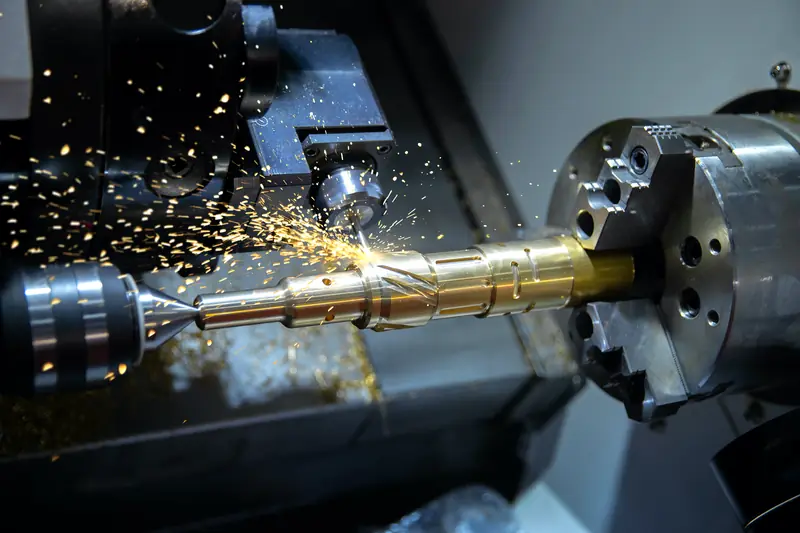
Stock photo: a lathe turning a bar, hot chips flying