Key takeaways
- Expect a prototype or two to change the drawing before it is final
- Lock the drawing with a revision letter before a run is ordered
- Fixtures and setups for a run are planned once, then reused
- Check the first part against the print before the rest are made
- Ordering in batches lets you adjust without a full commitment
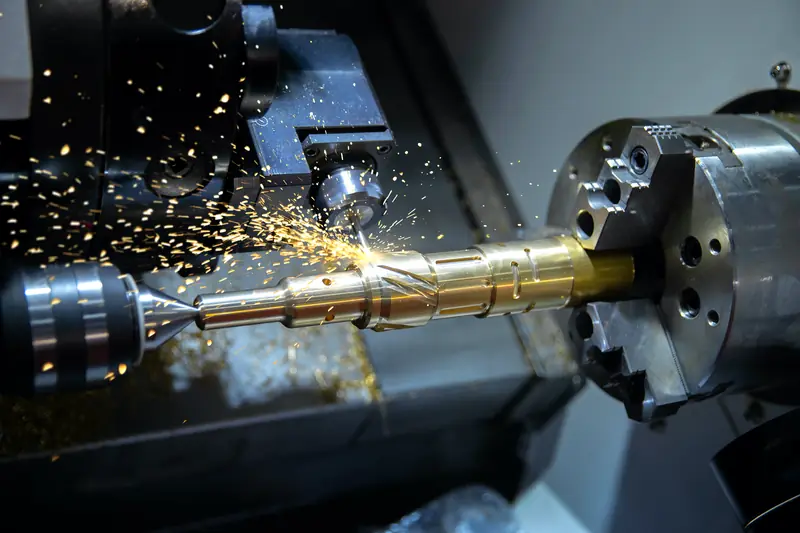
Wolf Machine makes both. Prototypes and production runs are both on the shop's services list, and many jobs start as one part that turns into twenty, then two hundred. Planning for the second stage from the first drawing saves rework later.
What a prototype is for
A prototype answers questions. Does the part fit? Does the shaft turn freely? Is the weld where the load goes? The first one is made to find problems while they are cheap to fix, so the drawing is expected to change. Tell the shop it is a prototype, and whether the final design will need a run, so setup decisions can take that into account.
A prototype also shows which dimensions matter. Parts that fit together tell you where tight limits belong and where a looser one will do. Taking that back to the drawing is one of the best ways to keep the cost of the final part down.
Locking the drawing
Before a run is ordered, the drawing should stop moving. Give it a revision letter, a date and a change note, and put the same revision on the quote request and the order. If the shop quotes revision B and receives revision C, the sizes and the price can both change.
The drawing carries the dimensions, tolerances, material and finish. If it uses geometric controls, the datums matter even more over a run, since every part is measured the same way. See GD&T and tolerance, and the guide to drawings for what belongs on the page.
Fixtures and setups
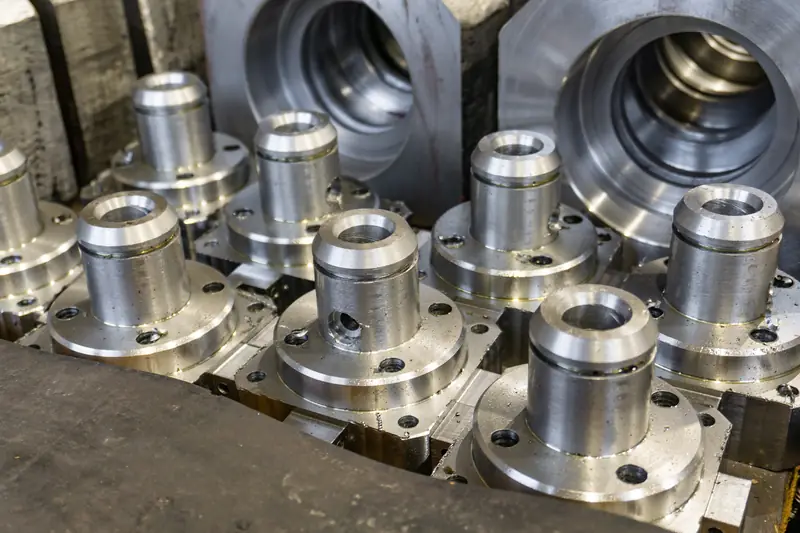
A single part can be held with whatever works. A run needs a way to hold every part in the same place, the same way, so that the hundredth matches the first. That can be a vise setup, a custom fixture or a program with repeatable stops. Planning it adds time at the start and removes it from every part after.
If you are building a machine or a line that needs holding or welding fixtures, that is a job in itself, and we fabricate automated machines and fixtures.
Check the first part
The first part from a run is measured against the print before the rest are made. This is called a first article check. It catches setup errors and drawing questions early, when one part is at risk instead of many. Tell the shop which dimensions you care about most, and whether you want the first part to look at before the run continues.
Some customers inspect the first part themselves, and others ask for a report. Say which you prefer when you request the quote.
Ordering in batches
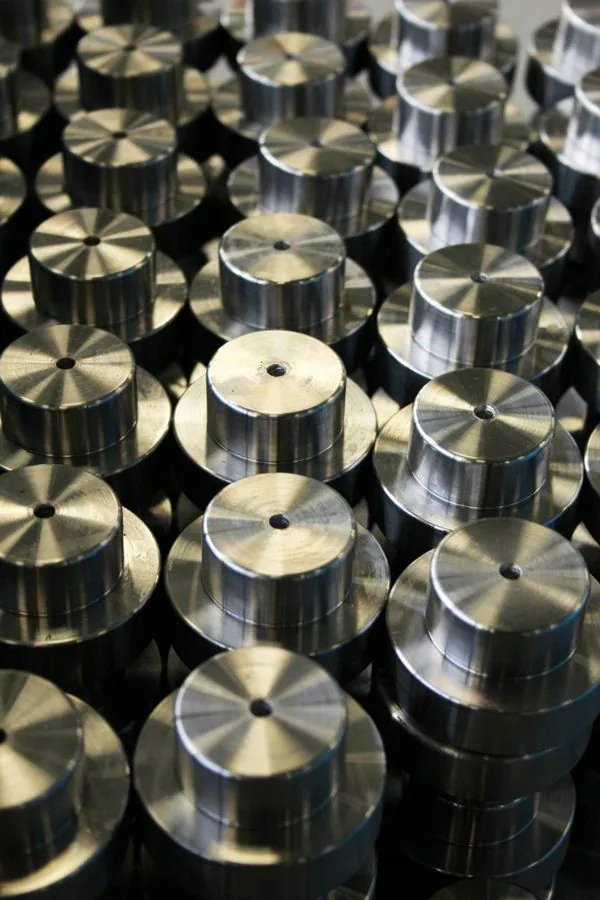
You do not have to order the whole quantity at once. A first batch lets you test the parts in service, and a second can follow with any change. Batches also suit a steady need, such as spares for a plant.
Tell us the quantity, the batch size and when you need each batch in the quote request. The prototypes and production runs pages say more about each stage.
Sources
- ASME Y14.5-2018, Dimensioning and Tolerancing (2026-10-18)
- ISO 2768-1, General tolerances (2026-10-18)