Key takeaways
- All three methods add metal, then the part is machined back to size
- Spray adds the least heat and suits bearing and seal surfaces
- A sleeve gives a new surface and suits deep grooves
- Weld build-up carries load across the joint but puts in the most heat
- Tell the shop the load, the speed and what runs on the surface
A worn journal or bore can be put back to size in three common ways. We offer all three: metal spray, sleeve repair and welding. This guide sets out how each works, where it fits and what to tell a shop so the right one gets chosen.
The idea behind all three
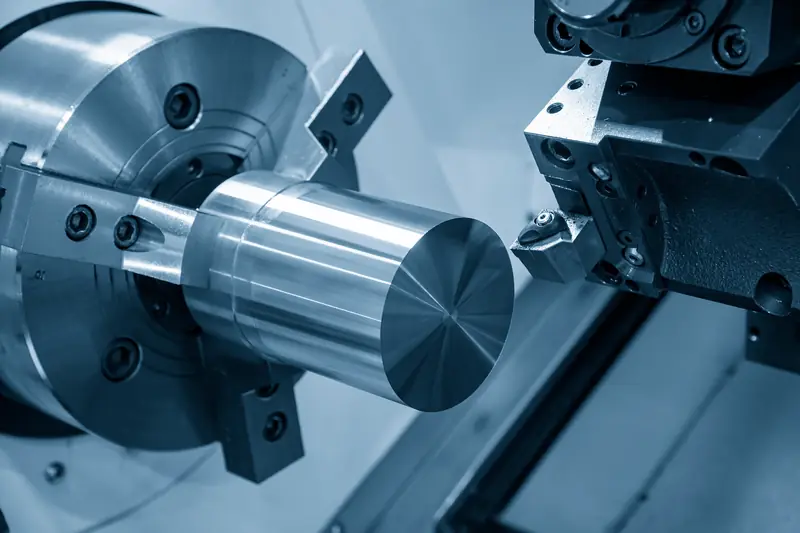
A worn surface is a surface that is too small (a shaft) or too large (a bore). Each method adds metal where it is missing, and the final step is the same: machine the surface back to the original size and finish. What differs is how the metal gets there, how much heat it puts into the part and what the bond can carry.
Metal spray
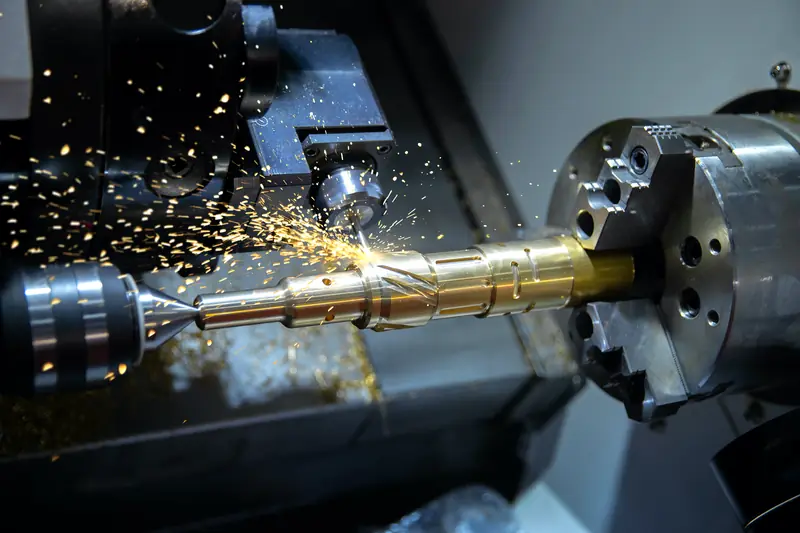
A spray gun melts or softens metal and throws it at a prepared surface in layers. The coating bonds mechanically to the roughened surface. The part stays relatively cool, so shafts, thin pistons and finished parts are less likely to distort. The coating is then turned to size. It is the method behind our brake piston seal areas, yoke seal diameters and pinion and trunnion housings, and the metal spray page walks through the process.
Spray is a wear-surface repair. For the strength question, read is metal spray as strong as new metal?
Sleeve repair
A sleeve is a ring or tube fitted over a shaft or into a bore that has been machined smaller or larger to receive it. The fit is usually an interference fit, where the sleeve is slightly oversize for its seat so it grips tightly; the glossary entry on interference fit explains the idea. Because the sleeve is a separate piece with its own surface, it gives a clean new face for a seal and is a good choice where a groove is deep.
A sleeve needs room. The part has to be able to give up the material the sleeve replaces, and there has to be space for the added thickness.
Weld build-up
Welding lays metal onto the surface in beads, and the weld fuses to the base. That fusion gives the strongest bond of the three and suits parts that carry load across the repair, such as lugs, pin ears and cracked castings. The cost is heat. The area next to the weld, the heat-affected zone, changes, and the part can distort. The glossary entry on the heat-affected zone covers it, and preheat and interpass temperature covers how heat is managed on thick or hard steel.
Side by side
General engineering rules, not data for any single part.
| Method | Metal spray | Sleeve | Weld build-up |
|---|---|---|---|
| Heat into the part | Low | Little to none | Highest |
| Bond | Mechanical, to a prepared surface | Fitted, usually an interference fit | Fused to the base metal |
| Good for | Bearing seats, seal areas, journals | Deep grooves, fresh seal faces | Pin ears, lugs, cracked or broken sections |
| Part must allow | A surface that can be cleaned and roughened | Room for the sleeve wall | A metal that can be welded safely |
| Finish step | Turn to size | Machine to final size | Machine to size |
What to tell the shop
Say what the surface does: a bearing seat, a seal face or a pin bore. Give the load, the speed and the metal if you know it. A crack check comes first when the part has failed. Send photos with a tape measure, attach them to the quote request, or call (775) 359-5570. For the broader decision see repair or replace.
Sources
- Thermal spraying (Wikipedia) (2026-10-18)
- Heat-affected zone (Wikipedia) (2026-10-18)
- Interference fit (Wikipedia) (2026-10-18)