4812 Longley Ln, Reno, NV 89502Mon-Fri 7:00 am - 3:30 pmMon-Fri 7:00 am - 3:30 pm(775) 359-5570
Wolf Machine & Fabrication, Inc.
  • Repair and rebuild
  • 5 min read
  • Updated October 2026

Getting a machine ready for line boring in the field

Before a portable line boring visit, make the bores reachable, clean and supported, take out the pins and bushings, and have power and light at the machine. Then send the shop photos, bore sizes and the machine make and model so the setup can be planned in advance.

Have a drawing, a sample or a broken part? Call (775) 359-5570 or request a quote and attach your drawing or photos.

  • Built from your specifications, drawings or samples
  • Free consultations, prompt estimates
  • Wolf Machine stands behind the work we perform
  • Reno shop, Monday to Friday, 7:00 am to 3:30 pm

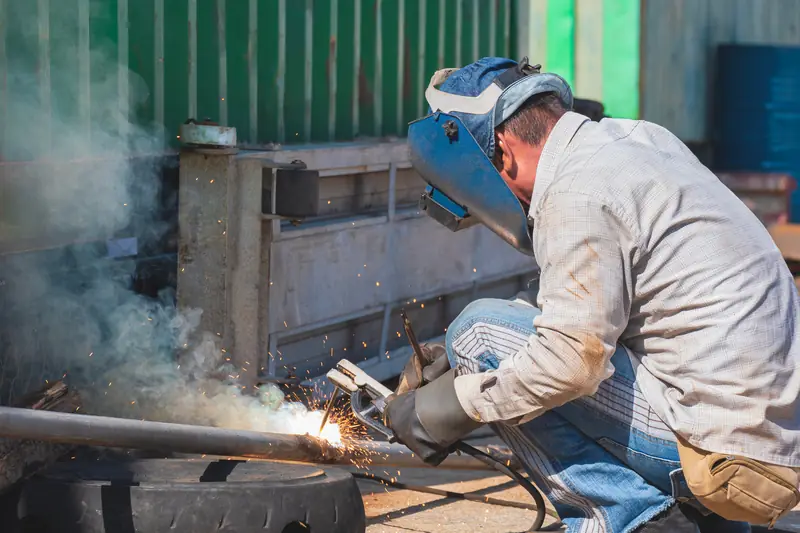
Stock photo: a welder welding a steel pipe joint

Key takeaways

  • Make room to reach and work around every bore
  • Clean the bores and surrounding area
  • Block and support the machine so it cannot move
  • Remove pins, bushings and anything in the way of the bar
  • Provide power and lighting, and plan for weather

Portable line boring happens at your site, so a good part of the job is decided before anyone arrives. A machine that is cleaned, blocked and easy to reach lets the work go smoothly. This checklist covers what to prepare and what to send.

What does the shop need to know first?

A good first message includes photos of every bore from both sides, the pin or bushing size if you know it, the make and model of the machine and a short description of the symptom. If the machine has already had weld repair near the bores, mention it.

Send these through the quote request or call (775) 359-5570, Monday to Friday, 7:00 am to 3:30 pm. The shop reviews them and comes back with questions or a prompt estimate.

Access and space

The boring bar runs through the bores and needs room beyond each end. Make sure there is clear space in front of and behind the bores, and that nothing blocks the path of the bar. Level, firm ground under the machine matters, because the setup is only as steady as what it stands on.

If the work is on an arm or a frame that can move, plan how it will be held in position. Placing it on stands or blocking is better than leaving it on its own hydraulics.

  • Clear space in front of and behind each bore
  • Firm, level ground
  • The part held on stands or blocking
  • A plan for crane or lift access if parts must move

Cleaning, blocking and removing the pins

Dirt, grease and old paint in the bores get in the way of both weld build-up and measuring. Clean each bore and the area around it. Remove the pins and, where possible, the bushings, so the bores can be seen and measured.

Block the machine so it cannot shift. Isolate its power and hydraulics before anyone works near the bores, following your own site lockout rules.

  1. Park the machine on firm, level ground.
  2. Block or support the part being worked on.
  3. Isolate power and hydraulics under your site procedures.
  4. Remove the pins and, where possible, the bushings.
  5. Clean the bores and the area around them.

Power, light and hot work

Weld build-up and the boring equipment both need power, and the work is easier to do well with good lighting. Tell the shop what is available. Weld build-up is hot work, so clear flammable material from the area and have extinguishing equipment close. OSHA's general welding requirements, 29 CFR 1910.252, set out the fire-prevention basics.

Weather and who is on site

Reno winters and summers both affect outdoor work. Shelter or a windbreak helps, and so does scheduling around the weather. Name a contact who knows the machine and can authorize work at the site, so decisions are made when they come up.

For background on the process, see portable align boring and the guide on the signs a machine needs align boring.
Sources

Talk to the shop

(775) 359-5570

Monday to Friday7:00 am - 3:30 pm
Saturday and SundayClosed
Request a quote

Shop guides

More guides

Sending a job to the shop 5 min read

What to put on a drawing before you ask for a quote

A drawing a machinist can quote from shows the material and condition, every size with a tolerance or a general tolerance block, the threads, any surface finish that matters, the quantity and the revi

Machining 5 min read

Signs a machine needs align boring

A machine probably needs align boring when pins bind, bushings wear out far faster than they should, bores have gone oval, or a pin that used to slide through now will not. These are signs that bores

Repair and rebuild 5 min read

Repair or replace: deciding what to do with a worn part

Repair when the part is sound, the wear is in one place and the original size can be put back. Replace when the damage runs through the part, when a crack cannot be removed, or when the failure will s

Repair and rebuild 6 min read

Metal spray, sleeve or weld: rebuilding a worn surface

Metal spray suits bearing and seal surfaces where you want little heat in the part, a sleeve suits a surface that needs a fresh hard face, and weld build-up suits parts that need strength across the r

Repair and rebuild 6 min read

A gearbox rebuild: what to expect

A gearbox rebuild is a teardown, a full inspection, repair of whatever has worn and a careful reassembly with new bearings and seals. Noise, heat, oil leaks and metal in the oil are the signs one is d

All guides

From the blog

More from the blog

Machining 4 min read

Making a part that is no longer made

A part that is no longer made can be made again by measuring the original, choosing the material, drawing it up and machining one. Keep the drawing so the next one does not start from scratch.

Sending a job to the shop 4 min read

How to photograph and measure a broken part

Photograph the part on a plain surface in bright light with a ruler or tape measure in every shot, cover every face, and add close-ups of the wear or break. Then measure the key diameters and lengths

Machining 4 min read

From one prototype to a production run

A prototype is made to learn whether a part works, and a production run is made once the design is settled. The steps in between are locking the drawing, building fixtures, checking a first part again

All posts

Straight answers

Questions people ask

Still have a question? Call (775) 359-5570, Monday to Friday, 7:00 am to 3:30 pm.

Do the bushings have to come out first?

Where possible, yes. Removing pins and bushings lets the bores be measured and built up cleanly.

Who provides power and lighting?

Tell the shop what is available at your site when you send the first photos, and the setup is planned around it.

What if the machine cannot be blocked safely?

Mention it when you send photos. The shop will talk through options with you before any work starts.

Send us the job

Request a quote

Tell us what you need, attach a drawing or photos of the part, and we will get back to you during shop hours. Free consultations; prompt estimates.

Call (775) 359-5570

  • From your specifications, drawings or samples. We can also assist you in designing your product or part.
  • Free consultations and prompt estimates
  • Stands behind the work: Our rates are very competitive and our quality is second-to-none. Wolf Machine stands behind the work we perform.
  • Company accounts: all major credit cards, or we can open an account for your company

Shop hours Monday to Friday, 7:00 am to 3:30 pm. Send your request any time and we will get back to you during shop hours.

Your quote request

Three short steps. Attach a drawing or photos if you have them; only your name and a phone or email are required.

Step 1 of 3: What you need
This request is for
Step 2 of 3: Drawings or photos

Attach drawings or photos (optional)

Up to 5 files, 12 MB in total. A photo of the part with a tape measure in the shot is enough to start. Used only to quote your job. Photos are resized before sending; drawings are sent as they are. Larger files: email them to [email protected].

Step 3 of 3: How we reach you

We review requests during shop hours, Monday to Friday, 7:00 am to 3:30 pm, and get back to you with questions or a prompt estimate. Free consultations.

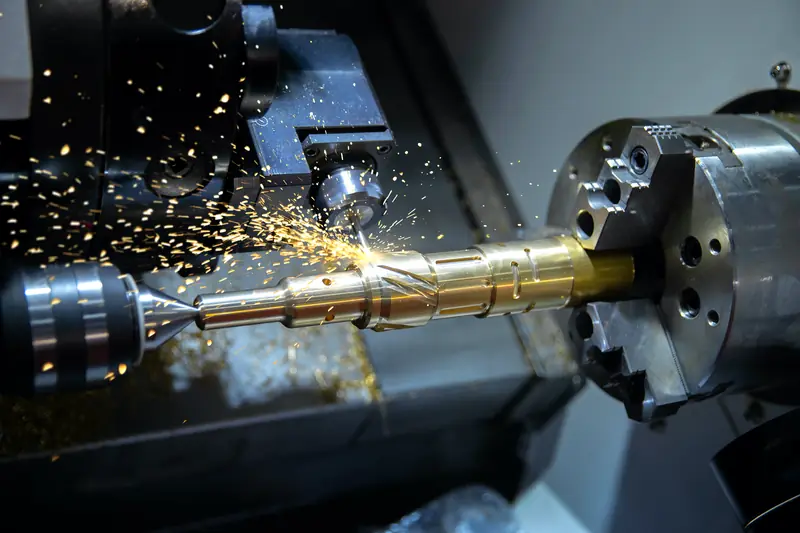
Stock photo: a lathe turning a bar, hot chips flying