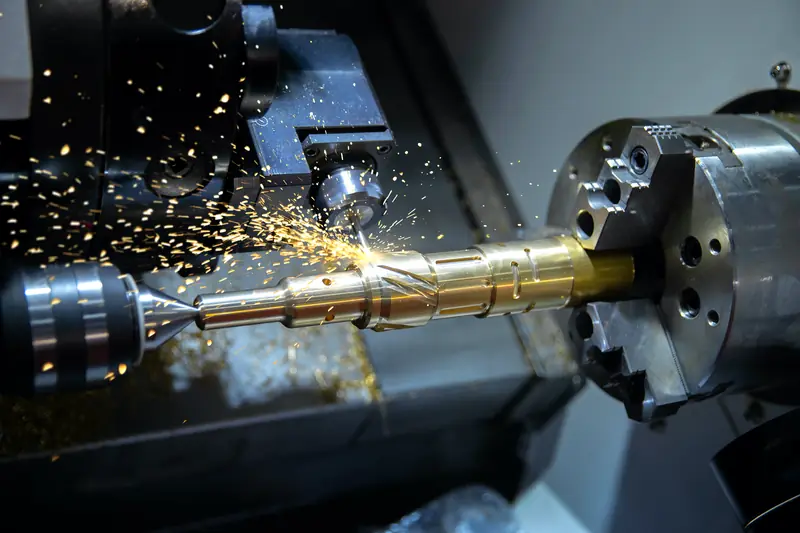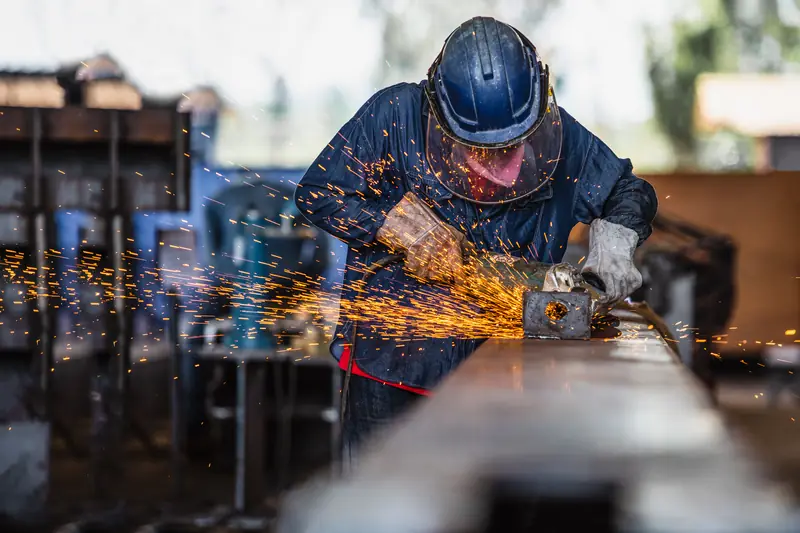
A down machine is the call every maintenance manager dreads. The fastest repairs start with good information, so a few minutes spent on photos and measurements before the part comes off, or before it leaves your site, pays for itself.
What to have ready when you call
The make and model of the machine, what the broken part does, and what failed: a crack, a worn bore, a stripped thread, a bent shaft or a seized bearing. If there is a part number stamped or cast on it, read it off. If a new part is available from the maker, the part number helps us compare the options.
- Machine make, model and serial number if you have it
- Photos of the broken part from several sides, with a tape or ruler in the shot
- Close-ups of the damaged or worn area
- Any sizes you know: shaft diameter, bore, length, thread
- Whether the part can come off, or has to be worked on in place
Repair it, make it, or work on it in place
Many broken parts can be repaired: worn surfaces built up with metal spray or weld and machined back to size, cracks checked with Magnaflux and welded, threads and keyways recut. When repair is not sensible, we can machine a new part from the old one.
If the part cannot come off, our millwright and field work and portable align boring are done at your site. One customer put it this way in a Google review: "They have helped with many big projects and have always pulled though when our machines went down."
After hours
Outside shop hours, send the quote request with your photos and a phone number. We review requests when the shop opens and call or email you with questions or a prompt estimate.