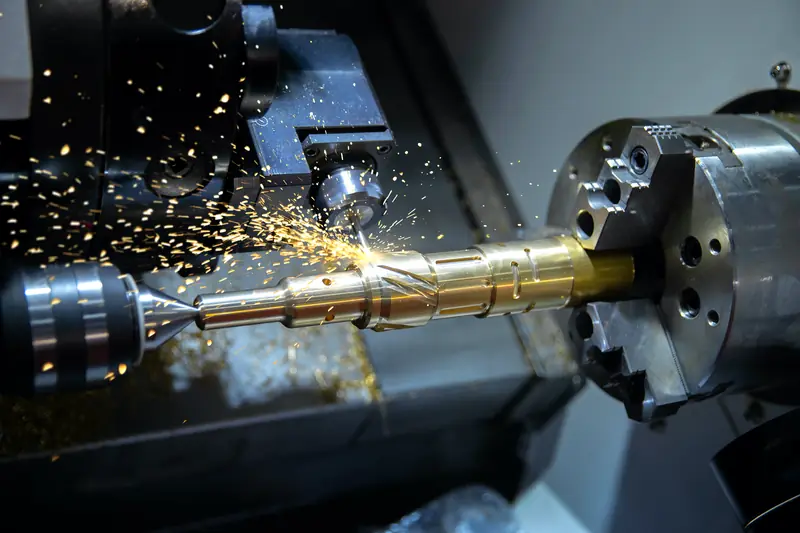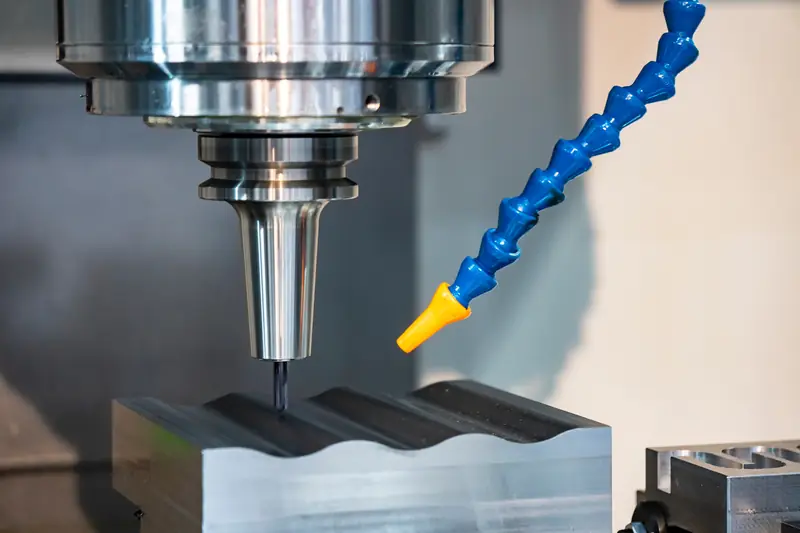
A tool steel is made to cut, shape or form other materials, and to keep its edge doing it. The letter in the name tells you how it is hardened and what it is for. Here is a short guide before you pick one for a drawing.
At a glance
- We machine tool steels at our Reno shop
- A2, D2, O1, S7 and H13 families
- Dies, punches, wear plates and fixtures
- Rough machined soft, finished after hardening
- Ties to our tool and die work
I have used Wolf Machine several times over the past few years for fabricating and repair of parts on my ultralight aircraft. [...] These guys are great to deal with. I wouldn't take my projects anywhere else.
The common families, as general education
The table is general knowledge from published sources, not the shop's stock. Name the grade on your drawing, or tell us what the tool has to do and what it works on.
| Grade | Family | Known for | Typical use |
|---|---|---|---|
| O1 | Oil hardening | Easy to machine and harden, holds an edge | Punches, gauges, fixture parts |
| A2 | Air hardening | Stable in heat treatment, good wear | Dies, punches, forming tools |
| D2 | High carbon, high chromium | Very high wear resistance | Blanking dies, long-run wear parts |
| S7 | Shock resisting | Takes impact without chipping | Chisels, punches, shear blades |
| H13 | Hot work | Holds strength at high heat | Die casting and extrusion tooling |
Machined soft, finished hard
A tool steel is normally cut while it is soft, close to the final size, with a small amount of material left for finishing. It is then hardened, and the surfaces that matter are finished afterward, usually by grinding. A part that must be flat or round to a tight callout is planned around that sequence.
Hardness is written on a print as a Rockwell C number. The glossary entry on Rockwell hardness explains the scale. Harder parts are cut with tools made for the job, at slower speeds.
Tool steel and tool and die work
Tool and die work is one of our specialties, and tool steels are its main material. See the page on tool and die work for the process side.
Send the drawing, the grade, the hardness callout, the quantity and what the tool does. Use the quote request or call (775) 359-5570. For general steels see steels and steel alloys.
Sources
- Tool steel (overview) (2026-10-18)