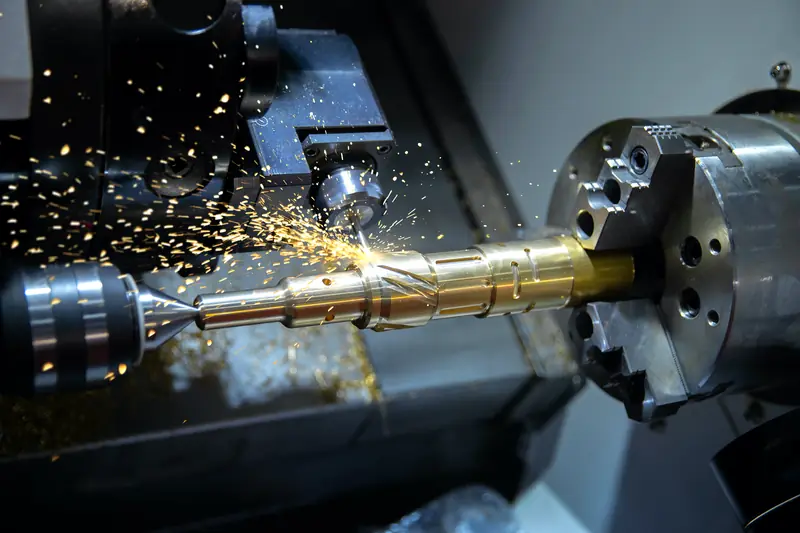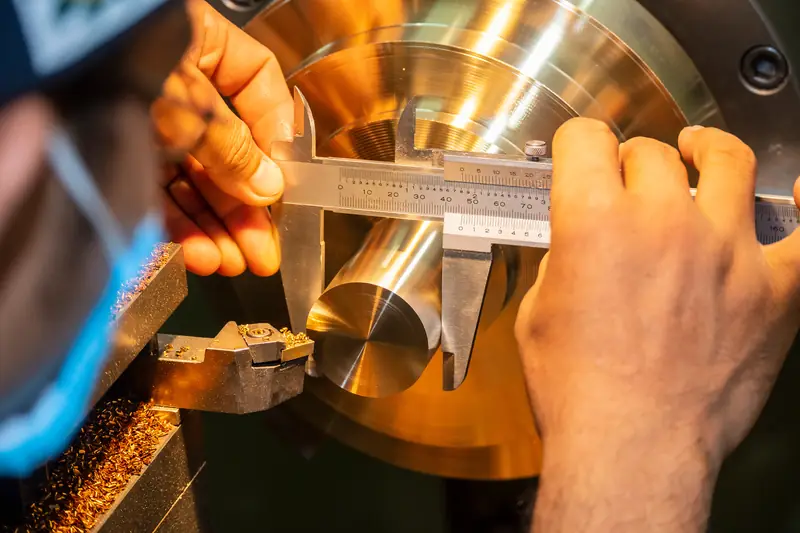
Bronze is copper alloyed mostly with tin, and some bronzes use aluminum, silicon or lead. It is the metal chosen where a rotating steel shaft meets a stationary part, because the bronze wears in preference to the shaft.
At a glance
- We machine bronze at our Reno shop
- Bushings, bearings, wear plates and pump parts
- Runs against steel shafts and saves the shaft
- Bearing bronze and aluminum bronze as general grades
- Worn bushings copied from a sample
I have used Wolf Machine several times over the past few years for fabricating and repair of parts on my ultralight aircraft. [...] These guys are great to deal with. I wouldn't take my projects anywhere else.
Why bronze goes against steel
Where a steel shaft turns inside a part, one of the two surfaces will wear. Designers choose bronze for the replaceable part so the shaft, which is costly to repair, stays in good shape. Bronze also holds a film of oil well and tolerates some dirt, which is why you find it in pumps, gearboxes and machine pivots.
That also means a worn bushing is a sign the system did its job. Replacing the bushing and checking the shaft for wear is the normal repair.
Common bronzes, as general education
The grades below are general knowledge from the Copper Development Association system and not a stock list. Give us the grade on your drawing, or the application, and we will work from there.
| Alloy | Known for | Typical use |
|---|---|---|
| SAE 660 (C93200) | Bearing bronze, easy to machine, good with steel shafts | Bushings, bearings |
| Aluminum bronze (C95400) | High strength, good wear and corrosion resistance | Heavy-duty bushings, wear plates |
| Phosphor bronze | Springy, wear resistant | Gears, thrust washers |
How it machines and what to send
Leaded bearing bronzes cut well with short chips. Aluminum bronze is tougher and wears the tool faster, so it is cut more slowly. Bushings are usually turned and bored with the bore left slightly small or large depending on the fit, with oil grooves cut where the drawing shows them. See the glossary entry on interference fit if the bushing presses into a housing.
To replace a worn bushing, send the old one, the shaft size and housing bore if you have them, and a note on the service. Use the quote request, or call (775) 359-5570. For hardness callouts see the entry on Rockwell hardness.